
A 25-year-old heterosexual male is seen at an STD outpatient clinic complaining of what he describes as a periodic clear to opaque penile discharge with dysuria. He does not report any systemic symptoms such as fevers or chills, and his vitals all are within normal range. His past clinical history is significant for a Neisseria gonorrhea infection, approximately 3 months ago, that was treated and documented as negative for infection when retested two weeks later by PCR.
The patient reports that symptoms began approximately two weeks prior and has had only one sexual encounter within that period. The encounter happened on a cruise that he had taken and he did not know or had kept contact with the woman. He has not had any other sexual encounters since then. The patient was suspected of an STD and urine was collected for Gonococcal/Chlamydia PCR testing considering his clinical history. He also had an RPR (rapid plasma reagin) test, (CBC) complete blood cell count, and a culture/urinalysis ordered.
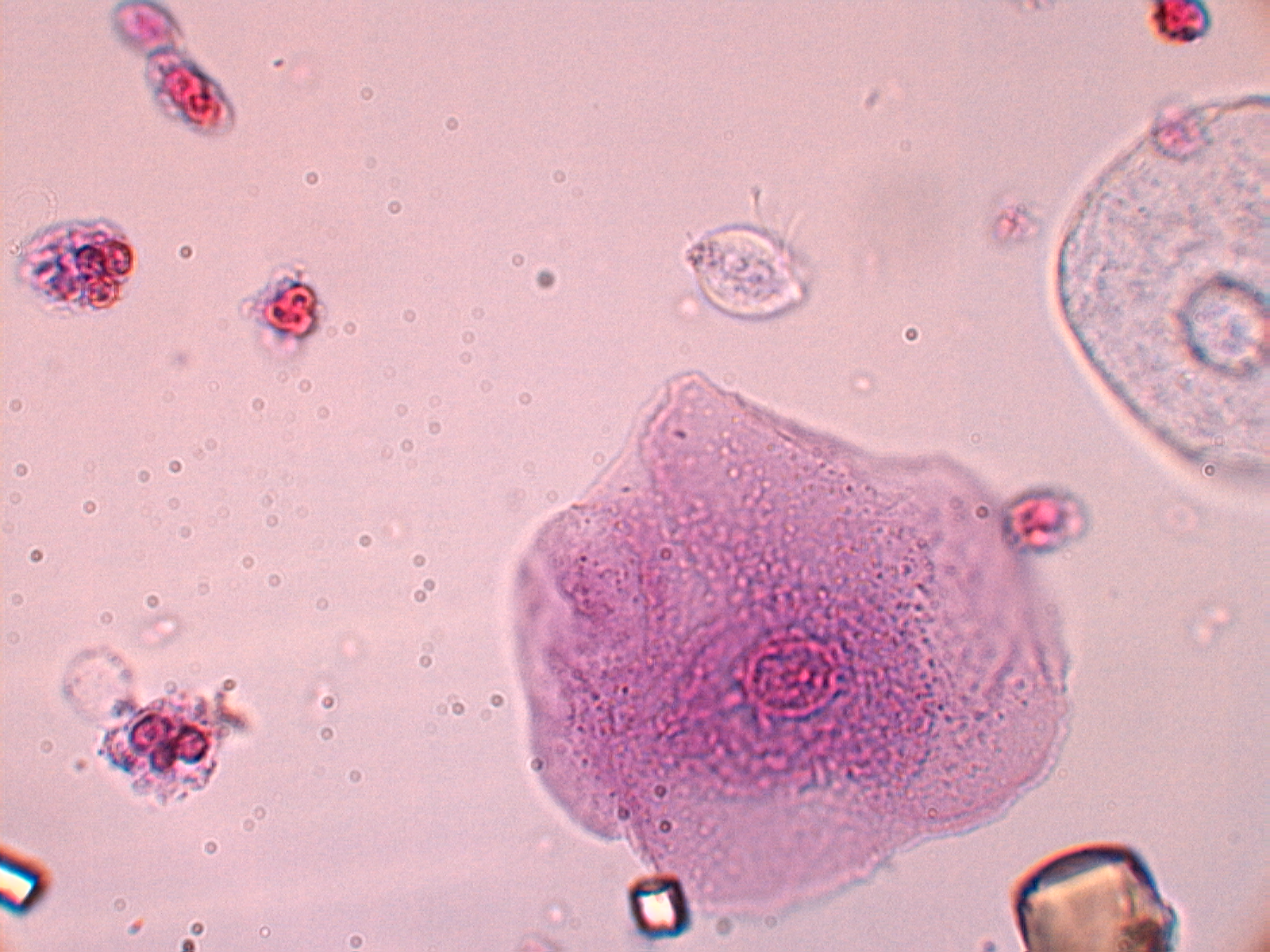
The RPR test was ordered out of caution considering the patient’s risky behavior history. It was negative. The complete blood cell count was within normal limits. There was no elevated white blood cell count indicative of a systemic infection. The urine culture was negative. The Gonococcal/Chlamydia PCR test was also negative. The urinalysis chemistries were all within normal limits except the urine sediment analysis which was significant for the following seen in the image below:

Photo by W. Vientos
Answer the following:
What is the identification of the organism seen in the image of the urine sediment?
What is the geographic distribution of this organism?
How is the organism transmitted?
What family of organisms does it belong to and name two other known significant pathogens within that family?
What are the symptoms and pathogenesis of this organism in both males and females?
What is the treatment of choice in treating an infection with this organism?
Answers and case summary to follow